Reflexology
What is reflexology?
Reflexology is a specialised massage technique applied to the feet or hands, aimed at stimulating specific reflex points. This practice is intended to help restore balance across 12 bodily systems, promoting harmonious functioning of the body’s various elements. Consequently, it can contribute to an overall sense of well-being and improved health.
The 12 bodily systems, which reflexology helps to balance are:
Skeletal
Muscular
Nervous
Senses
Respiratory
Digestive
Endocrine
Urinary
Cardiovascular
Lymphatic
Immune
Reproductive
How does it work?
Each human foot contains approximately 7,000 to 200,000 nerve endings, making it one of the most sensitive parts of the body—second only to the fingertips and face in terms of nerve density. These nerves, primarily concentrated in the soles, play a vital role in maintaining balance, recognising temperature, and sensing the environment while walking. It is through the series of pressure techniques that stimulate these sensors within the feet to communicate directly with the brain, internal organs, and other parts of the body to facilitate responses.
Current research suggests that reflexology may influence the autonomic nervous system, particularly by promoting parasympathetic activity.
This response is associated with relaxation, reduced stress, and decreased sympathetic (“fight or flight”) activity. As stress is known to impact many bodily systems, this relaxation response may support general health and wellbeing.
Studies have also explored reflexology’s potential effects on pain perception, mood, sleep quality, and stress-related symptoms. Evidence indicates that benefits are most consistently linked to stress reduction, relaxation, and improved subjective wellbeing rather than direct treatment of disease.
History of Reflexology
Reflexology is a complementary therapy with roots in ancient healing traditions. Evidence of foot and hand therapy originates in ancient Egypt around 2330 BCE, as shown in tomb carvings at Saqqara, while similar concepts appeared in traditional Chinese and Indian medicine, where stimulating specific points was believed to influence the body’s internal balance. Modern reflexology developed in the early 20th century from “zone therapy,” introduced by Dr. William H. Fitzgerald, who proposed that the body is divided into interconnected zones. This work was later refined and popularised by physiotherapist Eunice Ingham in the 1930s and 1940s, who mapped the body onto the feet and established reflexology as it is practiced today. Reflexology is now widely used around the world as a holistic therapy to support relaxation and overall well-being.
Who Is Reflexology Suitable For?
Reflexology is suitable for most individuals and is used as a complementary therapy to support relaxation and general health. It may be beneficial for people:
- Experiencing stress
- Sleep disturbances
- Musculoskeletal tension
- Digestive discomfort
- Symptoms associated with hormonal imbalance.
Treatments can be adapted for adults of all ages and may be appropriate for children and during pregnancy when provided by a practitioner with relevant training.
Reflexology is not intended to diagnose or treat medical conditions and should not replace conventional medical care. It may be contraindicated in certain cases, including acute infections, foot injuries, circulatory disorders, or high-risk pregnancy. A full health consultation is required prior to treatment.
Reflexology Lymph Drainage
What is Reflexology Lymph Drainage?
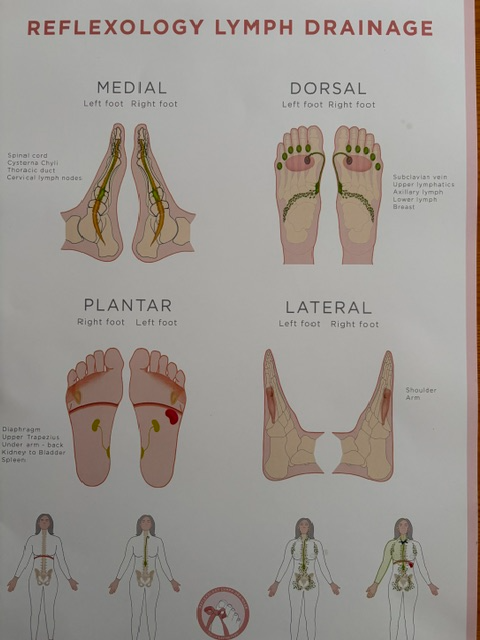
RDL is an award winning reflexology technique which focuses on stimulating the lymphatic reflexes on the feet.
The aim is to cause an effect on the lymphatic system in the body. This unique sequence was researched and developed by Sally Kay BSc (Hons), whilst working in Cancer Care, and it is designed to support the lymphatic system and overall well-being.
What is the Lymphatic System?
Thelymphatic system helps return excess tissue fluid to the blood circulation and supports the body's natural detoxification processes. Regular RLD sessions may help to promote relaxation, improve circulation in the feet and support the body's natural ability to maintain balance and well-being.
What are the benefits of RLD?
RLD is particularly beneficial for promoting lymphatic drainage and can be used alongside other reflexology techniques. Many clients report improvements in general wellness and reduced tension, and it is suitable for a range of conditions where the lymphatic and circulatory system may benefit. Potential areas where RLD may be supportive include:
Arthritis
Asthma
Eczema
Chronic fatigue
Fibromyalgia
ME
Sinus problems
Migraines
Headaches
Muscular tension
Aches and pains
Premenstrual Syndrome
Gentle Disclaimer:
Reflexology Lymph Drainage is a complementary holistic therapy intended to support relaxation and wellbeing. I do not diagnose, treat or cure medical conditions and it is not a substitute for medical advice. Please consult your GP or Healthcare Professional if you have any concerns.
Reflexology for Children
Children and teenagers can be prone to feeling stressed. Gentle, soothing, and safe, reflexology uses light pressure on the feet, and hands to help children feel calm and relaxed.
It may help:
- Reduce stress and anxiety
- Support emotional balance
- Promote relaxation and comfort
Perfect for stressful moments, reflexology is a natural way to help your child feel more at ease.
Reflexology in Oncology Care: How It Helps
Reflexology can be a valuable complementary therapy in palliative care by enhancing comfort, relaxation, and overall quality of life. While it does not cure underlying illness, it can help manage symptoms and provide emotional support for patients and caregivers. With a customised plan tailored to meet the individual needs, there are many benefits to using reflexology in palliative care.
It can improve comfort and quality of life by:
Reducing Pain: May ease discomfort and lessen the perception of pain.
Lowering Stress and Anxiety: Promotes relaxation and calmness.
Improving Sleep: Helps patients rest better.
Boosting Mood: Offers emotional support and a sense of care.
Alleviating Symptoms: Can reduce nausea, headaches, or breathlessness in some cases.
Energy Balancing Reflexology
Chakra Balancing Reflexology
The aim of chakra balancing reflexology is to harmonise all of the chakras within the body, thereby ensuring that every organ, gland, and tissue functions optimally on an energetic level. This is achieved by stimulating the chakra relaxation points, as well as the reflex points corresponding to the endocrine, lymphatic, and nervous systems found on the feet.
Energy Reflexology Techniques
CALM Technique: to reduce stress and tension and rebalance energy extremes
Universal Technique: to help in alleviating stress and anxiety related to emotional and mental activity.
Metamorphic Technique: a self empowering technique focusing on the head and spinal reflexes.
Linking: creating energetic links between systems or organs to optimise balance and well-being.
Access Bars®
What are Access Bars®?
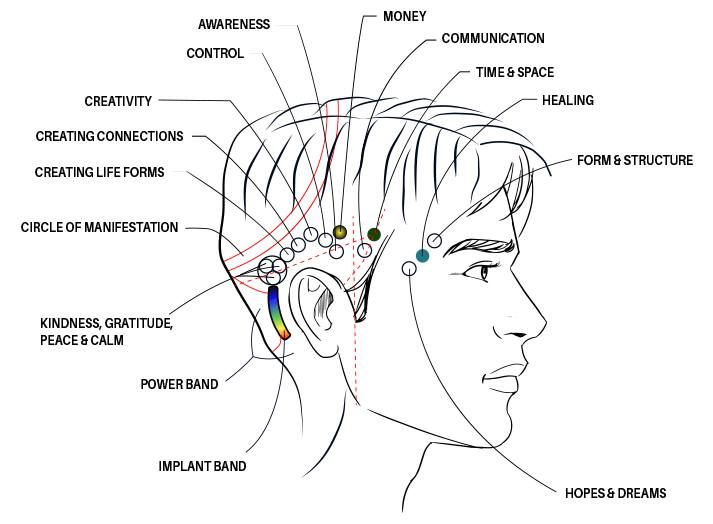
Is a non-invasive energy therapy involving gentle touch on 32 points on the head, each of which corresponds to different aspects of life such as joy, sadness,healing, creativity and many others.
These points, when lightly touched, facilitate the release of electromagnetic charge associated with thoughts, beliefs and emotions that may be stored in the brain.
What are the benefits of Access Bars®?
The benefits of Access Bars® is its ability to induce a deep state of relaxation, quiet a racing mind and create greater clarity, calm and joy. This heightened state of relaxation can lead to:
- Improved sleep quality.
- Reduced stress levels
- Enhance sense of overall wellbeing.
- Alleviate emotional imbalances
Who could benefit from Access Bars®?
Access Bars® is non-invasive and suitable for individuals of all ages. It is a nurturing and gentle technique that offers a wide range of benefits for mental, emotional and physical well-being. From stress reduction to improved creativity and emotional balance, the potential positive impacts are profound.